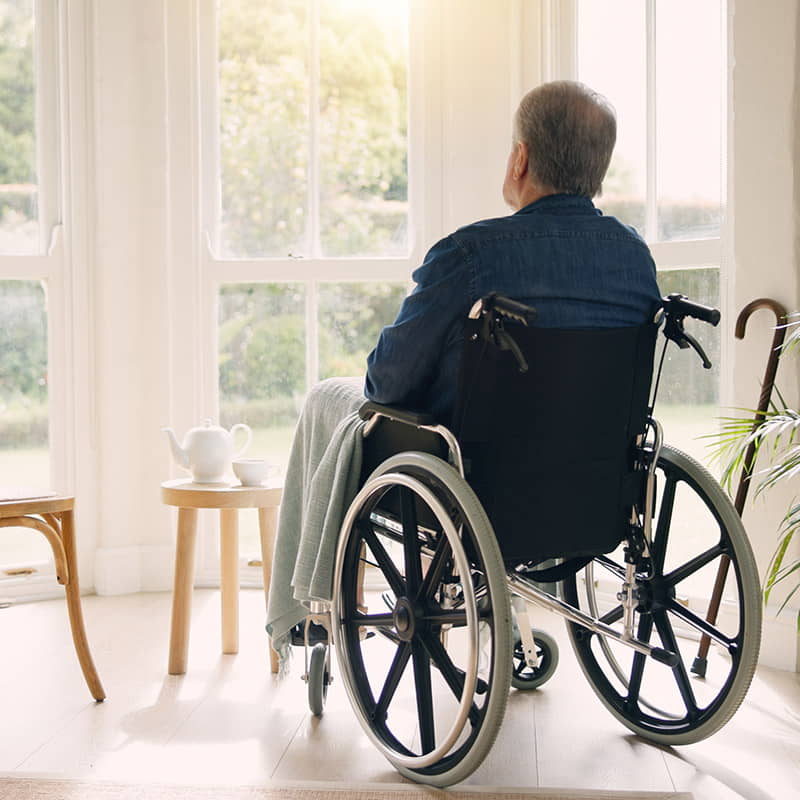
The home we live in often reflects our needs and stage of life. A two-storey house with stairs may have been ideal when you were raising a family, but at 75 it may feel difficult. Or the family home in the countryside that you once visited often may now remain closed most of the time. Later life brings changes in lifestyle, health and priorities. It is not rare for your needs to differ significantly from what they were 20 or 30 years ago. This article discusses when and how you might reassess your residence so that it better fits your current needs, and, if necessary, what options you have.
Signs that the home may no longer serve you as it once did
First of all, how will you understand that your home may need reconsideration? Here are some signs:
- Physical strain: Do the stairs tire you excessively? Is it difficult to maintain the garden or clean large spaces? If the house requires tasks that now feel overwhelming, that is a warning sign. The home should serve you, not exhaust you.
- Empty rooms: If the children have left and you now have many empty rooms that are not used, the home may be larger than you need. A large home means more expenses, such as heating and maintenance, and more effort, without offering anything extra in everyday life.
- Far from services: Think about your neighborhood. Do you have what you need nearby? If, for example, the supermarket, doctor, pharmacy or senior center are far away and constantly require car trips, you might prefer a more central place or easier access. As we grow older, having conveniences nearby becomes more important.
- Feeling lonely or isolated: A home is wonderful when it is filled with people. But if you live alone in an isolated area, you may feel lonely. Social contact is vital for mental health. Sometimes moving closer to friends, relatives or a place with more people your age can revitalize your everyday life.
Options for adapting or changing your residence
Once you identify that something no longer fits with your home, what are your options? The drastic solution of moving is not always necessary; there are intermediate approaches too:
- Adapting the existing home: If you love your home and do not want to leave, consider what improvements you can make so it better fits your current needs. This may be a renovation to add a bathroom on the ground floor if stairs are an issue, installing a small stair lift, or converting a ground-floor room into a bedroom. You might also simplify spaces: close rooms you do not use so you do not have to clean them often, or repurpose them, for example turning an empty child's room into an office or guest room for a caregiver. Small changes can make the home more ergonomic and practical.
- Downsizing - moving to a smaller home: This is a major decision, but for many people it has positive results. A smaller home, such as an apartment, means less hassle in maintenance and usually lower fixed costs. If you also sell the larger home, you may have money left from the difference in value, which you can use to live more comfortably or help your children if you wish. The key to downsizing is to choose a new home strategically: somewhere accessible, close to services and the right size for you. Imagine your everyday life there. Is it easy? Do you like the neighborhood? Do you have company? These are the criteria, not just square meters.
- Moving close to family: Some choose to move closer to children or grandchildren, especially if they live far away. This combines changing homes with having family nearby. It may mean buying or renting something in the same city or area as the children, or even living together, for example creating an independent space in the children's home if possible. Intergenerational cohabitation is not easy for everyone; it requires understanding and respect from both sides. But it can be mutually beneficial: you have help and company, while the children have your extra care or participation in their daily life.
- Considering alternative living solutions: If living alone is becoming difficult or undesirable, there are other options. Modern nursing homes or assisted living units have evolved; some resemble hotels with care services. Another option is sharing a home with people your age. There are senior co-living programs, or you could simply live with a trusted friend and share the home and expenses. These solutions do not suit everyone, but it is worth knowing about them.
The emotional side and making the decision
Reassessing your home is not only a practical matter; it is also emotional. Our home holds memories, and the idea of change may bring sadness or insecurity. Take your time with such decisions. Think about the advantages and disadvantages. Discuss with people you trust: family, friends or even an adviser. Sometimes it helps to try the change: if you are thinking of moving, spend a few days in the area you are considering and imagine your daily life there. If you are thinking of living with your children, try an extended visit.
Remember that the most important thing is your quality of life. The ideal home at 85 may not be the same as the ideal home at 50, and that is completely natural. Adaptability is strength. If you ultimately decide that a change will make you happier, safer or healthier, then you have every reason to make it, regardless of how long you lived in the previous home. Memories live inside you, not in the walls. You can always create a new home where you feel well.
Not sure if your case can be considered?
Fill in a few basic details about the property and the Eldero team will inform you if an initial assessment can be made. The process is without obligation.